Post-Consumer Recycled Plastic
Plastics have seamlessly become part of modern life due to their versatility and affordability. However, we can’t ignore the challenge of managing plastic waste and its environmental impact. Amid this concern, the practice of using post-consumer recycled plastic has emerged as a compelling solution. In this guide, we explore the pivotal role of post-consumer recycled plastic, its processes, and the significant environmental benefits it brings.
Deciphering Post-Consumer Recycled Plastic
The core concept of post-consumer recycled plastic is giving plastics a second life after consumers fulfill their original purpose and discard them. Imagine that water bottle that quenched your thirst and was then disposed of – this illustrates the potential for post-consumer recycling. Instead of leaving the plastic in landfills or polluting the environment, these plastics are poised for a transformative journey towards rejuvenation.
Understanding the Recycling Journey
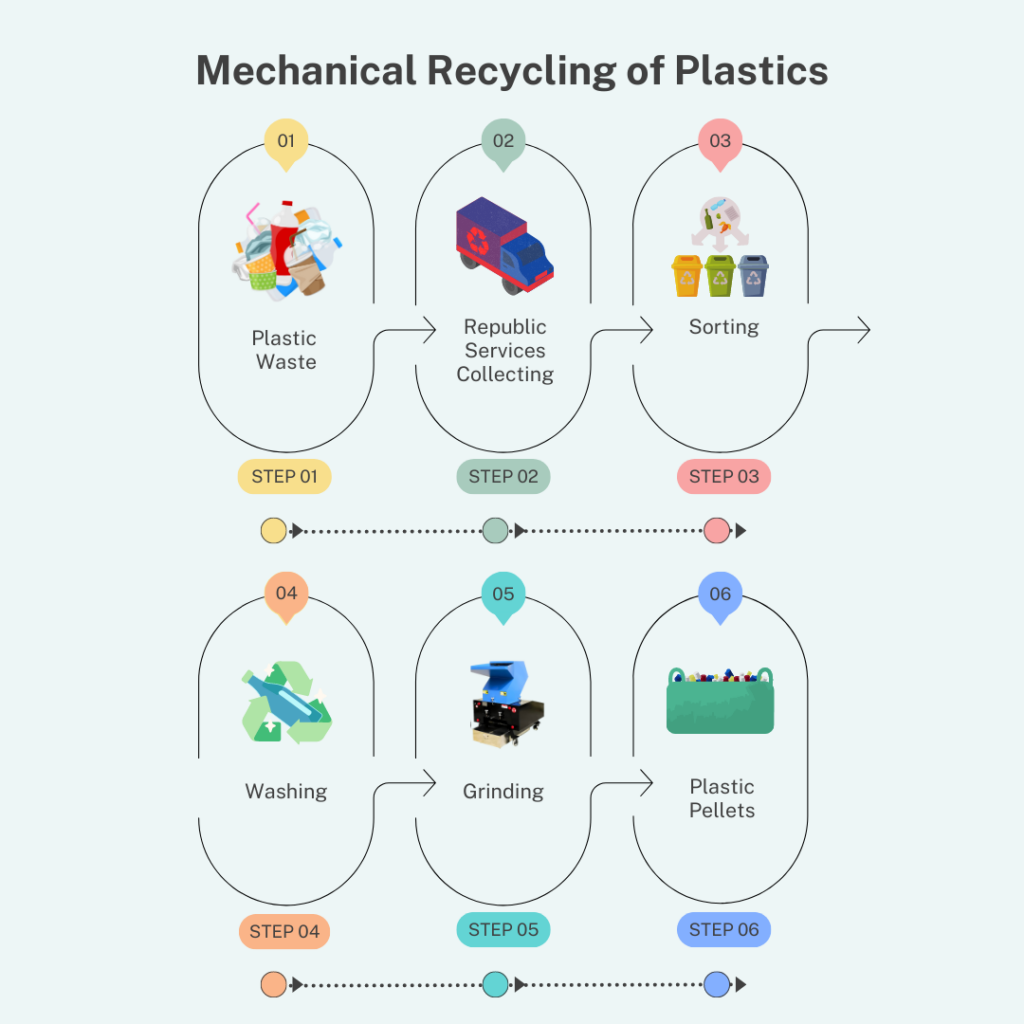
The journey of post-consumer recycled plastic begins with meticulous collection, as discarded plastics are systematically gathered from diverse sources, including curbside recycling initiatives. Once collected, a sophisticated sorting and cleaning process unfolds at specialized facilities. This rigorous treatment ensures that the plastics are free from contaminants, setting the stage for their recycling process.
Transforming Plastics through Mechanical Recycling
Mechanical recycling takes center stage as these plastics transform. They go through shredding and melting to reconstitute and craft new plastic products. This approach substantially reduces the demand for virgin plastic production, conserving valuable resources and significantly decreasing environmental impact.
Environmental Impact: CO2 Emissions and Energy Savings
The significance of this process becomes even more evident when considering its environmental impact. It’s estimated that for every ton of plastic recycled through mechanical recycling, about 1.7 tons of CO2 emissions are avoided. Further research by the United Nations Environment Programme reveals that recycling plastic using mechanical processes can save up to 50% of energy compared to producing new plastic from raw materials.
Conserving Resources: Diminishing the need for Virgin Plastic
By diverting plastics from ending up in landfills or incineration and opting for mechanical recycling, we can substantially reduce the demand for virgin plastic production. This, in turn, helps conserve precious natural resources like crude oil, essential for making new plastics. Calculations show that using a ton of recycled plastic in manufacturing can save up to 2,000 gallons of oil. This reduces reliance on fossil fuels and significantly cuts down greenhouse gas emissions.
Shaping a Sustainable Future with post-consumer recycled plastic
As we witness mechanical recycling’s positive impact on resource conservation and environmental sustainability, it’s evident that this approach plays a substantial role in shaping a more sustainable future. It’s not only about recycling; it’s also about reshaping our use and creation of plastics to ensure a healthier planet for future generations.
Amplifying Environmental Gains
Waste Diversion: Curbing Pollution and Preserving Ecosystems
Post-consumer recycled plastic assumes a pivotal role in diverting plastics away from landfills and oceans, effectively curbing pollution and safeguarding natural ecosystems. This diversion prevents harmful plastics from infiltrating sensitive environments, preserving the beauty and biodiversity of our planet. Each ton of recycled plastic conserves approximately 5.7 cubic meters of landfill space, alleviating strain and environmental hazards.
Energy Efficiency: A Beacon of Sustainable Energy
Recycling post-consumer plastic exemplifies remarkable energy efficiency. Compared to energy-intensive new plastic production, recycling significantly reduces energy consumption and greenhouse gas emissions. Recycling a ton of plastic saves around 5,774 kWh of energy, equivalent to powering an average American home for almost six months.
Resource Conservation: Preserving Finite Resources through post-consumer recycled plastic
Repurposing plastic through recycling holds profound implications for conserving finite resources. Utilizing recycled plastics significantly diminishes the demand for virgin materials like petroleum-based products. This preserves fossil fuels and other finite resources for future generations. Recycling a ton of plastic conserves approximately 16.3 barrels of oil, reducing the environmental impact of extraction and refining processes.
Circular Economy: Embracing Sustainability Through post-consumer recycled plastic
Adopting post-consumer recycled plastic seamlessly aligns with the principles of a circular economy. By perpetually reusing materials through recycling, this approach acknowledges and respects the finite nature of resources. This shift towards a circular model not only reduces the environmental burden of resource extraction but also minimizes continuous waste generation. Recycling a ton of plastic leads to a net reduction of roughly 1.8 tons of CO2 emissions, creating positive environmental ripples.
Community Empowerment: Driving Job Creation and Engagement
Recycling’s benefits extend beyond the environment into local communities. Recycling facilities and initiatives become hubs for job creation and economic growth. With over 460,000 jobs supported by the recycling industry in the United States alone, it provides employment opportunities that contribute to local economies. Expanding recycling programs fosters community engagement, encouraging individuals to actively participate in waste reduction efforts and make a tangible difference.
Empowering Choices: Post-Consumer Recycled Plastic
Choosing post-consumer recycled plastic extends beyond environmental stewardship, offering a plethora of additional advantages:
- Reducing Carbon Footprint: Transitioning to the carbon footprint, the utilization of recycled plastics goes beyond waste reduction, significantly shrinking the carbon footprint associated with plastic production. The energy savings achieved through recycling lead to a remarkable reduction in CO2 emissions, contributing to global efforts to combat climate change. On average, recycling one ton of plastic reduces CO2 emissions by approximately 2.1 tons.
- Sourcing Sustainability: Transitioning to sourcing sustainability, brands and manufacturers can readily incorporate post-consumer plastics into their production processes, exemplifying a commitment to sustainability. By using recycled materials, they actively reduce their ecological footprint and lessen the strain on natural resources. Studies indicate that using recycled plastics instead of virgin materials can result in energy savings of up to 79% and water savings of up to 90%.
- Aligning with Consumers: In an era characterized by heightened environmental consciousness, consumers are increasingly drawn to brands that champion sustainable practices. The embrace of post-consumer recycled plastic not only resonates with consumers’ values but also reflects a dedication to responsible consumption and environmental stewardship. A survey found that over 70% of consumers consider a company’s environmental impact when making purchasing decisions.
- Meeting Regulations: As global sustainability regulations become more stringent, the use of recycled materials becomes a crucial aspect of compliance. Utilizing post-consumer recycled plastic demonstrates a commitment to meeting these regulations and underscores a brand’s dedication to sustainable operations. This proactive approach not only avoids potential legal consequences but also contributes to the larger goal of reducing environmental strain and waste generation.
Blue Polymers: Leader in Sustainable Innovation
Blue Polymers, a trailblazer in recycling, stands at the forefront of post-consumer recycled plastic advancement. Through collaboration with industry experts, the company aims to produce 300 million pounds of premium-quality post-consumer recycled plastics annually by 2025. This initiative not only reduces plastic waste but also fosters transparency, reliability, and sustainability throughout the recycling network.
Shaping a Sustainable Horizon
Post-consumer recycled plastic stands as a pillar of a more sustainable future. By infusing recycled plastics with renewed purpose, we embark on a journey of waste reduction, resource conservation, and environmental betterment. Industry leaders like Blue Polymers pave the way for post-consumer recycled plastic to emerge as a cornerstone in creating a greener and more conscientious world.
;)